
Brunei and ACER deliver world-leading digital literacy standards for a future-ready generation
ACER news 1 Jul 2026 6 minute readA landmark collaboration between Brunei Darussalam’s Ministry of Education and the Australian Council of Education Research (ACER) has produced a national set of digital literacy standards benchmarked against the world's leading education systems and designed to carry every Bruneian learner from digital literacy to digital fluency.
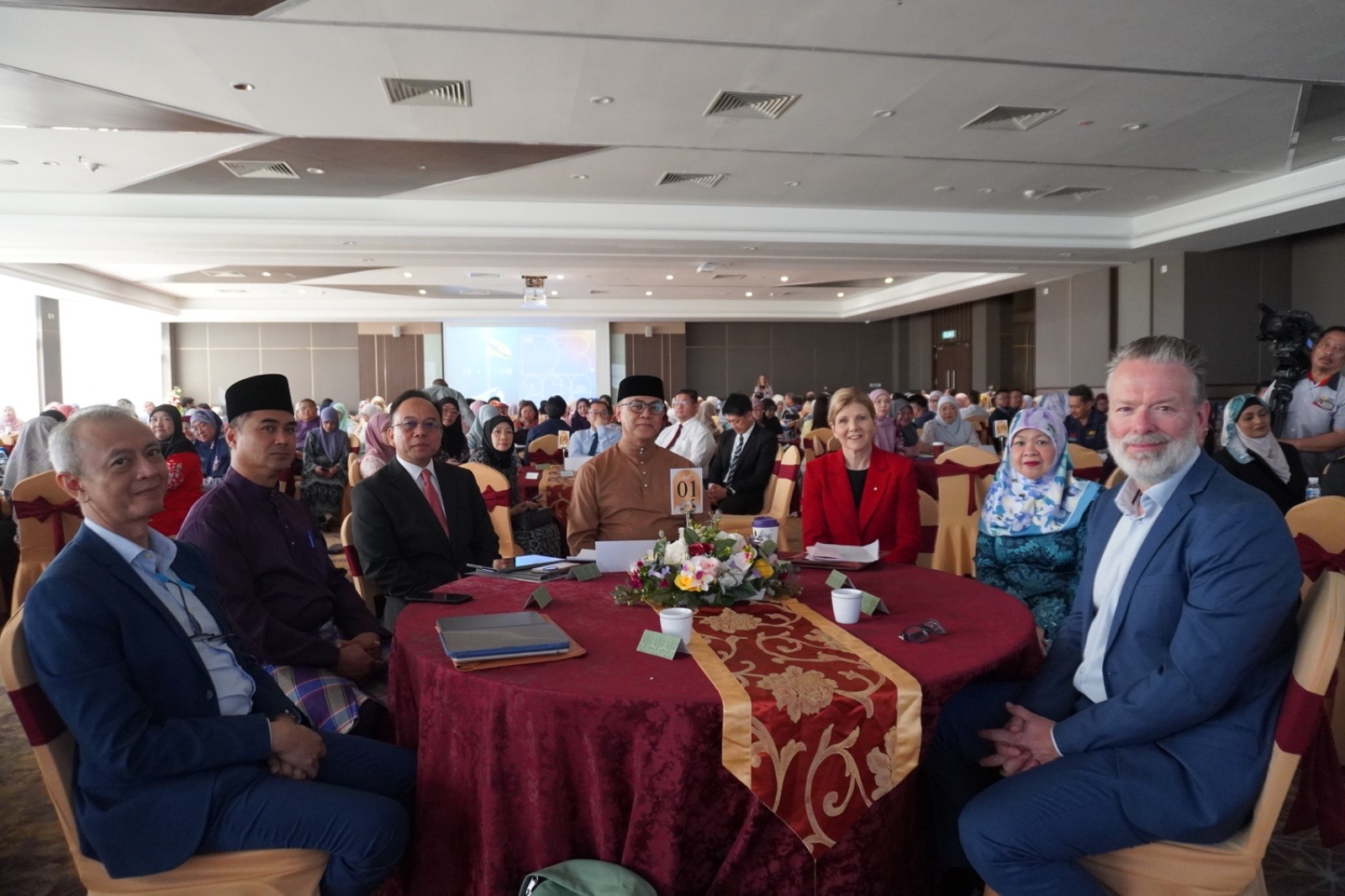
The milestone was celebrated in Brunei before an audience of around 300 Heads of Departments and school leaders from the Ministry of Education and the Ministry of Religious Affairs. ACER Chief Executive Officer Lisa Rodgers travelled to Brunei to open the event. The session was officiated by the Guest of Honour, Yang Mulia Awang Aliuddin bin Haji Abdul Rahman, Acting Permanent Secretary (Core Education), Ministry of Education, and began with a welcoming address by Yang Mulia Awang Ali Hamdani bin Haji Muhamad Diah, Director of the Curriculum Development Department, Ministry of Education.
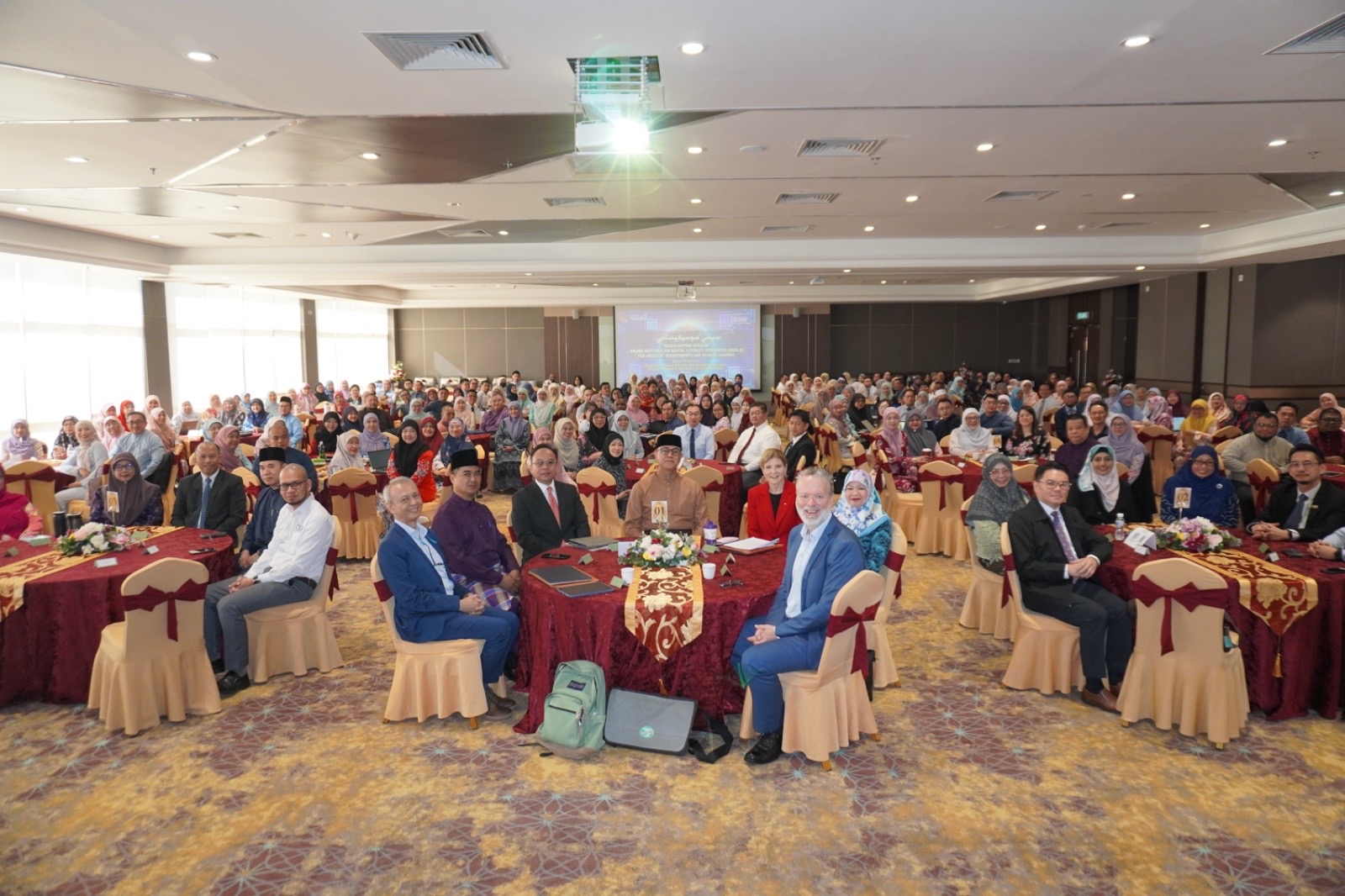
At the heart of the work is the new Brunei Darussalam Digital Literacy Standards (BDDLS), a single national standard that sets clear, consistent expectations for digital capability across Years 1 to 11. The standards span four connected strands of knowledge, skills, dispositions and AI literacy and are designed to apply across the curriculum.
Alongside the standards, ACER and the Ministry revised the Information and Communication Technology curriculum (Years 1–11) and the Business, Art and Technology curriculum (Years 7–8), and produced teacher guides, guidebooks and implementation advice to support classrooms from day one.
Notably, AI literacy has been woven through the progression as a core capability for every learner with foundational AI literacy beginning in Years 3–8, advancing to more sophisticated pathways in Years 9–11, with a consistent emphasis on ethical and responsible use.
Together, the reforms mark a deliberate shift from digital literacy to digital fluency, representing confident, critical and creative use of technology to learn, create, communicate and make a meaningful contribution to society.
The significance of this work lies in the curriculum itself. Across the world, curriculum is the primary mechanism through which a nation turns its aspirations into capability by defining the knowledge, skills and values a country chooses to prioritise, and shaping the society and economy that follow.
A curriculum is primarily a social contract: a reflection of what a nation believes matters most. By placing digital and AI literacy at the heart of its curriculum, Brunei has made a deliberate choice about the capabilities its young people will carry into a digital economy, marking a shift from the transmission of knowledge to the genuine formation of capability.
From international benchmarking in early 2025 to a complete, classroom-ready set of standards and revised curricula by early 2026, Brunei moved from strategy to being implementation ready with remarkable agility.
The standards were benchmarked against some of the world's highest-performing systems, including Singapore, Finland, the United Kingdom, Estonia, Denmark and the Republic of Korea, and drew on leading global frameworks from UNESCO, OECD, DigComp and UNICEF, with input from industry partners including Google and Apple.
The result is a framework that is internationally informed, globally aligned and genuinely world-leading, while being firmly grounded in Brunei's national values of Melayu Islam Beraja and the country’s aspirations under Wawasan Brunei 2035 and Digital Brunei 2030.
"A digital economy is not built by technology alone… It is built by people who can use technology safely, creatively, ethically and productively," said Lisa Rodgers.
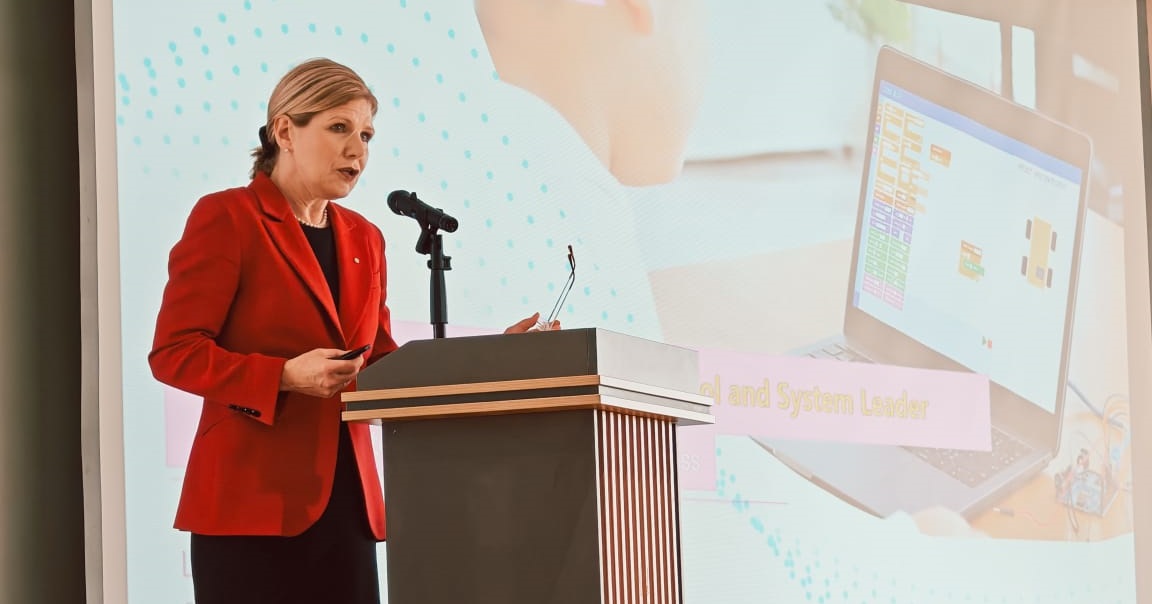
Through Wawasan 2035, Brunei has placed its people, and its education system, at the very centre of national ambition. It has been a privilege to stand alongside the Ministry of Education on this journey - and to see a vision for the future translated, so deliberately, into the capabilities being built in classrooms today.
Yang Mulia Awang Ali Hamdani bin Haji Muhamad Diah, Director of the Curriculum Development Department, Ministry of Education, said the completion of the Brunei Darussalam Digital Literacy Standards marked a significant milestone in the country's education transformation.
The Brunei Darussalam Digital Literacy Standards establish a shared national vision for developing digitally competent, responsible and future-ready learners. They provide a clear learning progression for digital literacy and AI literacy while ensuring that implementation reflects our national philosophy of Melayu Islam Beraja and supports the aspirations of Wawasan Brunei 2035 and Digital Brunei 2030. These standards will guide our schools in preparing learners with the knowledge, skills and values needed to thrive in an increasingly digital world.
Kris Sundarsagar, Country Manager of ACER Malaysia, said the achievement reflected an exceptional partnership. "From the very beginning, this has been the Ministry's vision, driven with clarity and remarkable speed," she said. "Our role was to bring the international evidence and rigour; the Ministry brought the ambition, the local insight and the commitment to its learners. Together we have built standards that are world-class and unmistakably Bruneian."
With the standards and curricula complete, attention now turns to implementation. Socialisation workshops, curriculum familiarisation sessions, implementation planning and pilot design will help guide Brunei from shared understanding in the short term to full national rollout and stronger student capability over the years ahead.