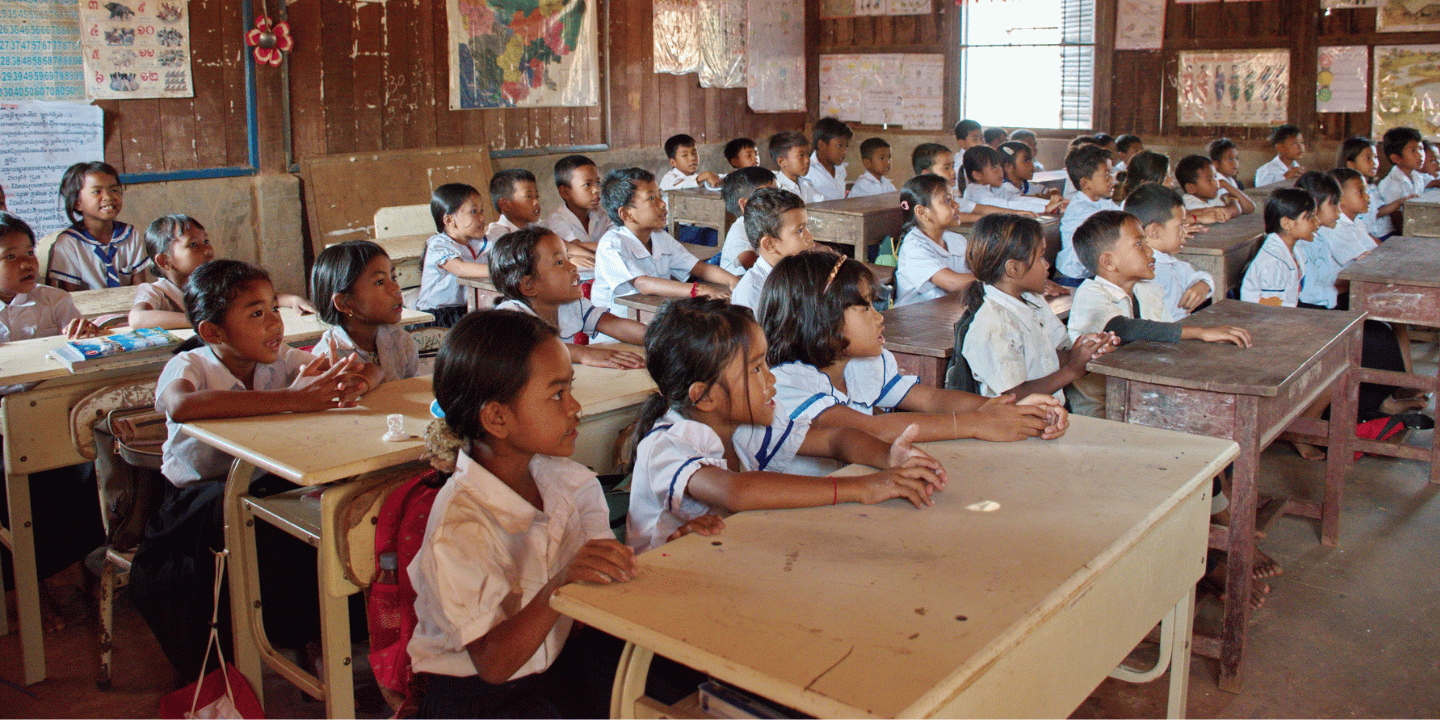
SEA-PLM 2024 report launched
Research 10 Dec 2025 6 minute readA new regional report reveals progress for the most disadvantaged learners, while highlighting persistent gaps in foundational learning across Southeast Asia.
The Southeast Asia Primary Learning Metrics (SEA-PLM) 2024 Main Regional Report has been released, providing fresh insights into how Grade 5 students in 6 Southeast Asian countries are performing in reading and mathematics. With only 1 in 2 children meeting minimum levels of learning, the SEA-PLM findings highlight both progress and persistent equity challenges, and reinforce the need for targeted, evidence-informed action.
Significant gaps in educational outcomes remain for young children across Southeast Asia – a region that reflects some of the largest equity gaps in learning in the world. Children from the highest socio-economic group continue to significantly outperform those from the lowest socio-economic group.
Insights into reading and mathematics
The 2024 results showed modest improvements in reading and mathematics since 2019. This cycle, 53% of students reached the minimum proficiency level in reading, compared to 47% in 2019. In mathematics, 67% of students met minimum proficiency levels, up from 56%.
Nearly 1 in 2 students still fell short of the reading benchmark, and 1 in 10 struggled with even the most basic skills.
This cycle of SEA-PLM also brings encouraging news: there was a slight reduction in the percentage of students with the lowest proficiency in mathematics and reading. At the lowest end of the scale, 15% of students read at a Grade 2 level and 9% struggled with basic mathematics skills. This means that while there is still much work to do, countries are making a difference for children who have historically struggled the most.
Persistent inequities
Socioeconomic status remained the strongest predictor of achievement, with gaps equivalent to 2 years of schooling. Gender differences also persisted with girls outperforming boys in reading in every country, and the gap widening in some contexts. In mathematics, gaps between boys and girls were smaller and sometimes reversed.
Language alignment between home and school also played a critical role in learning outcomes, with children who do not speak the language of instruction at home facing lower proficiency in reading and mathematics.
‘Too many children in our region are still being left behind, unable to read or count at the level they need to thrive,’ says June Kunugi, UNICEF Regional Director for East Asia and the Pacific.
‘Without foundational literacy and numeracy skills, children are unable to progress to higher levels of education and eventually to meaningful work and a future of dignity and choice. And when children are left behind, entire communities and economies suffer.’
Resilience and innovation
Despite shocks such as COVID-19, climate disasters, and declining education budgets, countries have shown resilience. Many expanded early childhood education, introduced remedial programs, strengthened curricula, and accelerated digital transformation. These efforts have helped maintain stability in learning outcomes, but the pace of improvement for the students performing at the lowest levels remained slow.
Turning evidence into action
Closing learning gaps requires evidence, strong expertise and collaboration. Since SEA-PLM’s inception in 2012 by SEAMEO and UNICEF, the Australian Council for Educational Research (ACER) has been a key technical partner.
ACER designs robust assessment tools, ensures quality standards, and supports countries to interpret and use SEA-PLM data effectively. This partnership helps education systems move from insight to implementation, strengthening teacher capability and building capacity for evidence-based decision-making.
Jeaniene Spink, Director of ACER’s Education and Development Research program, emphasised the importance of SEA-PLM data:
‘SEA-PLM gives countries the evidence they need to identify what truly improves foundational learning. This data is critical for shaping targeted interventions, strengthening teacher capability, and ensuring that every child acquires the essential skills for reading and mathematics that underpin lifelong learning and future opportunities.’
Investing in what works
The SEA-PLM 2024 report signals a turning point for education systems in Southeast Asia and the need for greater investment in initiatives proven to deliver results. This includes quality early childhood education, teacher professional development and inclusive pedagogy.
Evidence from SEA-PLM shows that early learning opportunities and well-resourced schools significantly boost performance, but access remains uneven. Aligning language policies with student needs and strengthening teacher preparedness beyond qualifications are also critical steps.
The next step is to use the data to drive meaningful change for millions of young children. Countries now have the tools to identify cost-effective policies, scale proven strategies, and ensure that every investment into foundational learning translates into better outcomes for children.
Further information
Read the SEA-PLM 2024 Main Regional Report
Learn more about SEA-PLM